What Age Should Kids Start Robotics? A Parent's Guide
When is a child ready for robotics, and what should they learn at each age? A practical Fredericton parent guide, from first circuits to drones and RC planes.
RoboFlight · · 3 min read
There is no single perfect age to start robotics. Most children are ready for real, hands-on robot building between 8 and 10. What matters most is matching the project to your child's hands, focus and reading level, then letting it grow with them.
Signs your child is ready
- They enjoy taking things apart, building with LEGO or following build instructions.
- They can focus on one task for 30–45 minutes, especially when they are making something.
- They can read short instructions and are comfortable asking for help when they get stuck.
- They are curious about how things work: remote controls, games, cars, drones.
- They don't give up the first time something doesn't work (or they want to learn not to).
Ages 8–10: first circuits and a first robot
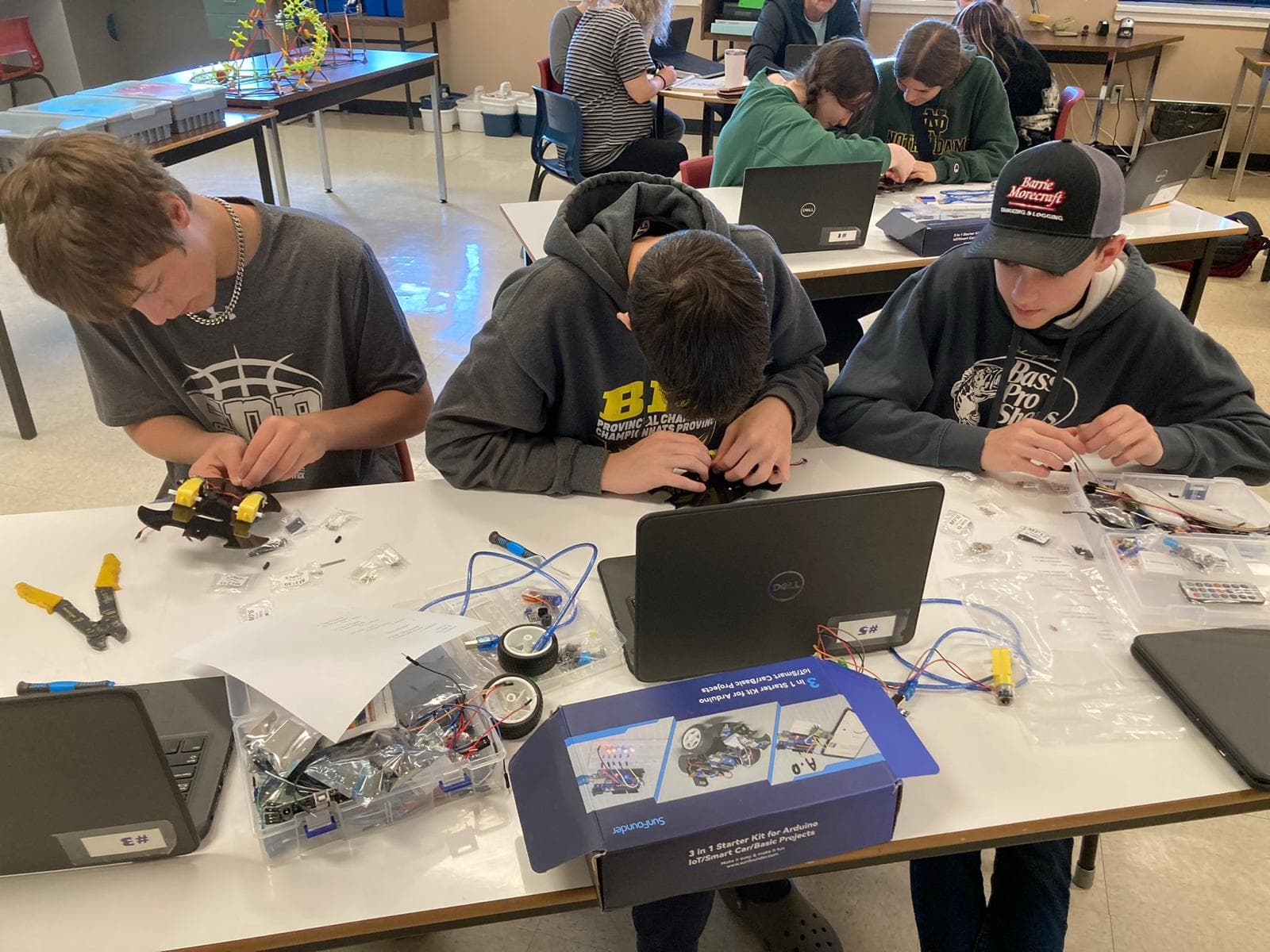
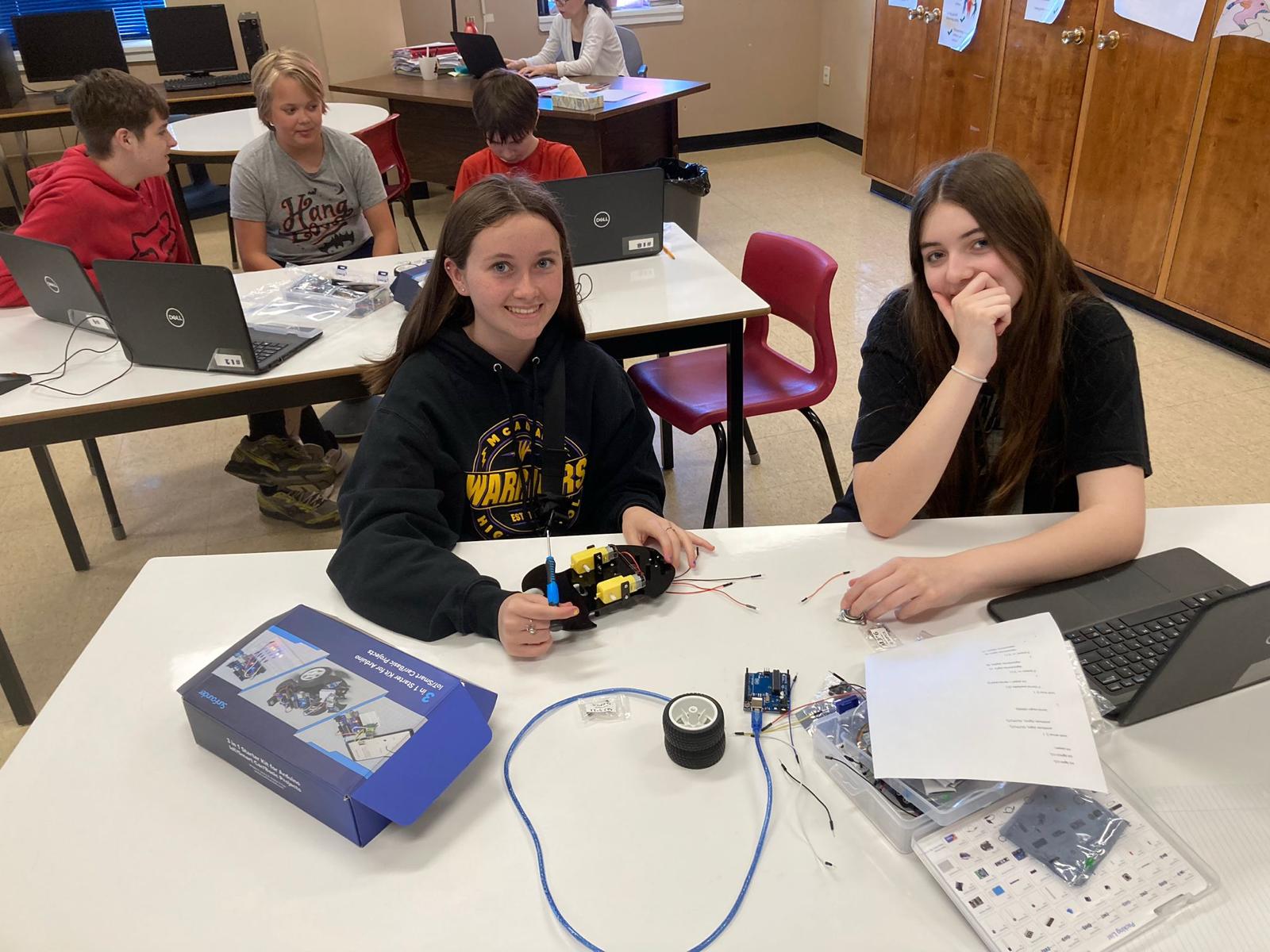
At this age, the best projects give quick, visible results: a motor that spins, a light that blinks, a car that drives when the code says so. A programmable robot car is a classic first build, because every step (chassis, motors, wiring, code) shows up in how the car moves.
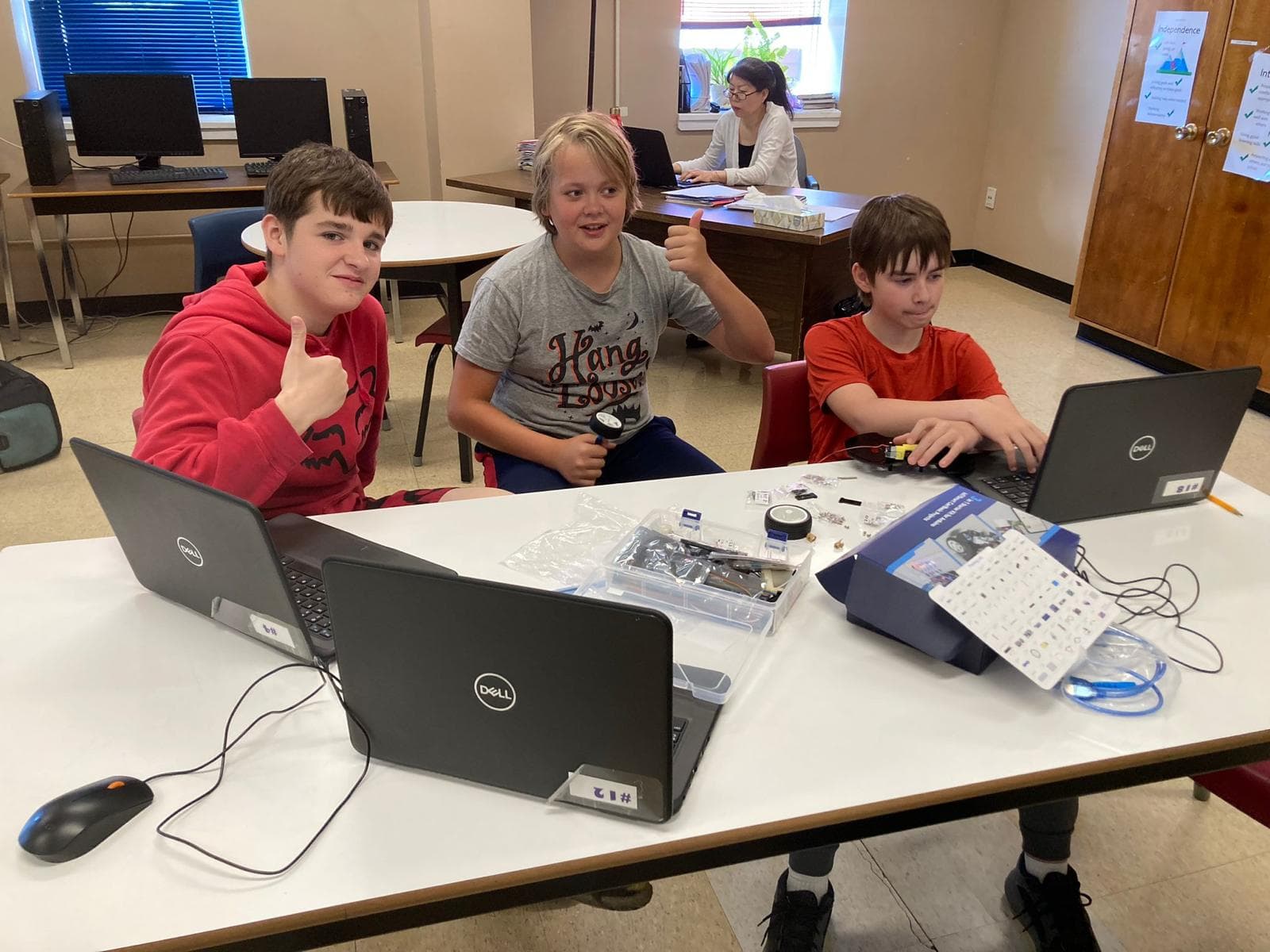
RoboFlight's Basic Robotics program is built around exactly this: students assemble an Arduino robot car and write the code that drives it. It is for everyone.
Ages 11–13: sensors, flight and problem-solving
Pre-teens can handle longer builds and bigger ideas. This is a great age to add sensors, so a robot can detect obstacles and make decisions, and to start on flight: what keeps a quadcopter level and why propeller balance matters.
Building a drone teaches patience and precision. A loose wire or an unbalanced propeller shows up immediately. Our Quadcopter Drone program is for everyone, and students build and test their drone in class.
Ages 13 and up: design and engineering
Teenagers are ready to design, not just assemble. Planning a plane's wingspan, weight and balance before cutting a single piece is real engineering thinking: measure, predict, test, adjust.
RC Plane Making is our most advanced program and is for everyone.
What kids gain at any age
- Problem-solving: robots rarely work the first time, so kids learn to test, find the problem and fix it.
- Persistence and delayed gratification: a project that takes weeks feels very different from a game that rewards you instantly.
- Coding literacy that is connected to something real they can see and touch.
- Confidence: "I built this" is a powerful thing for a child to be able to say.
How to choose a first program
Look for small groups, real hardware, kits included and an instructor who explains why things work. Then let your child try it. A free trial class is the easiest way to see whether they light up when the motor spins.