How Robotics Helps Kids with Math and Science at School
Robotics turns math and science into something kids can touch. How building and coding robots supports classroom learning, with examples parents can see.
RoboFlight · · 3 min read
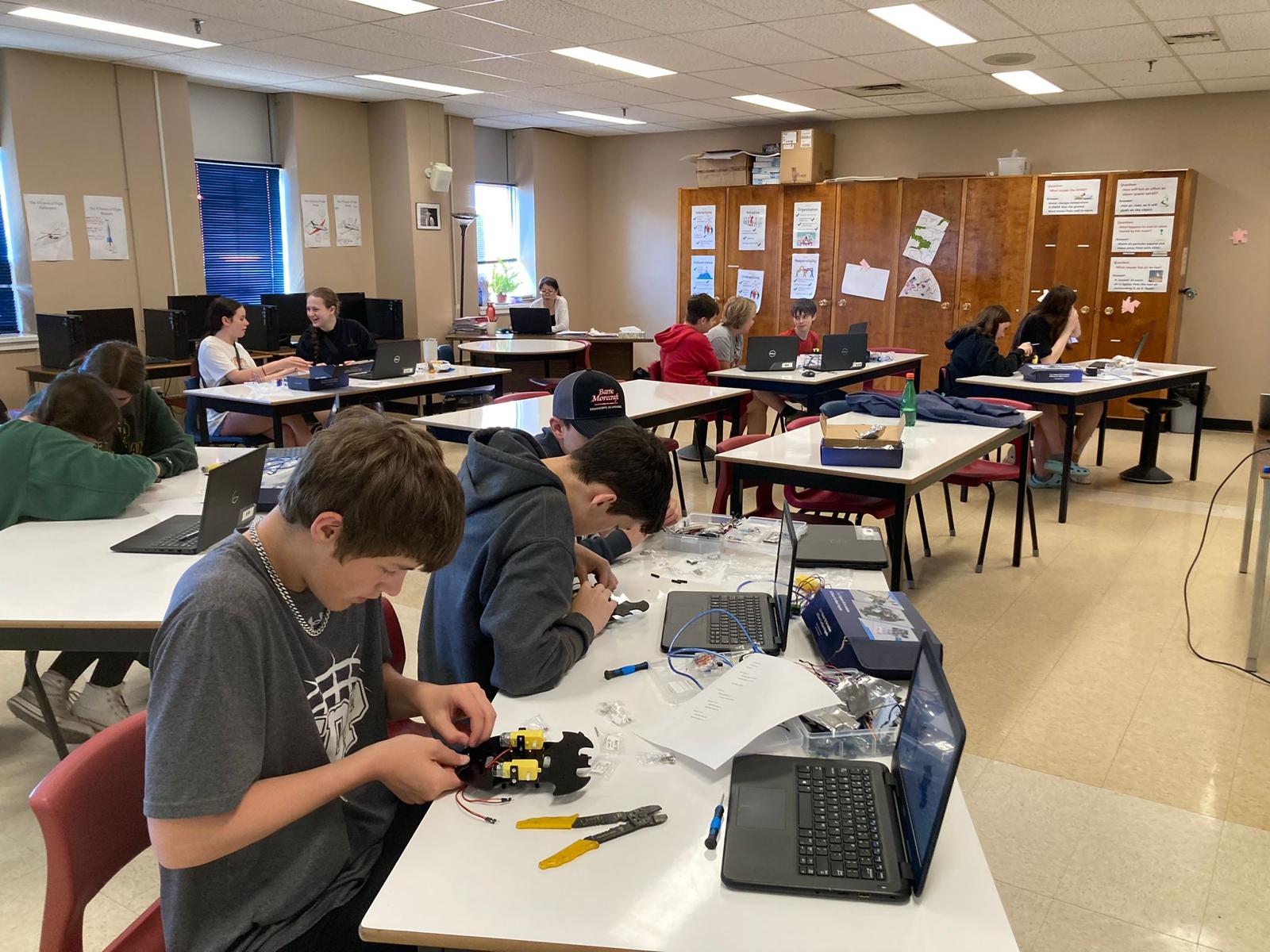
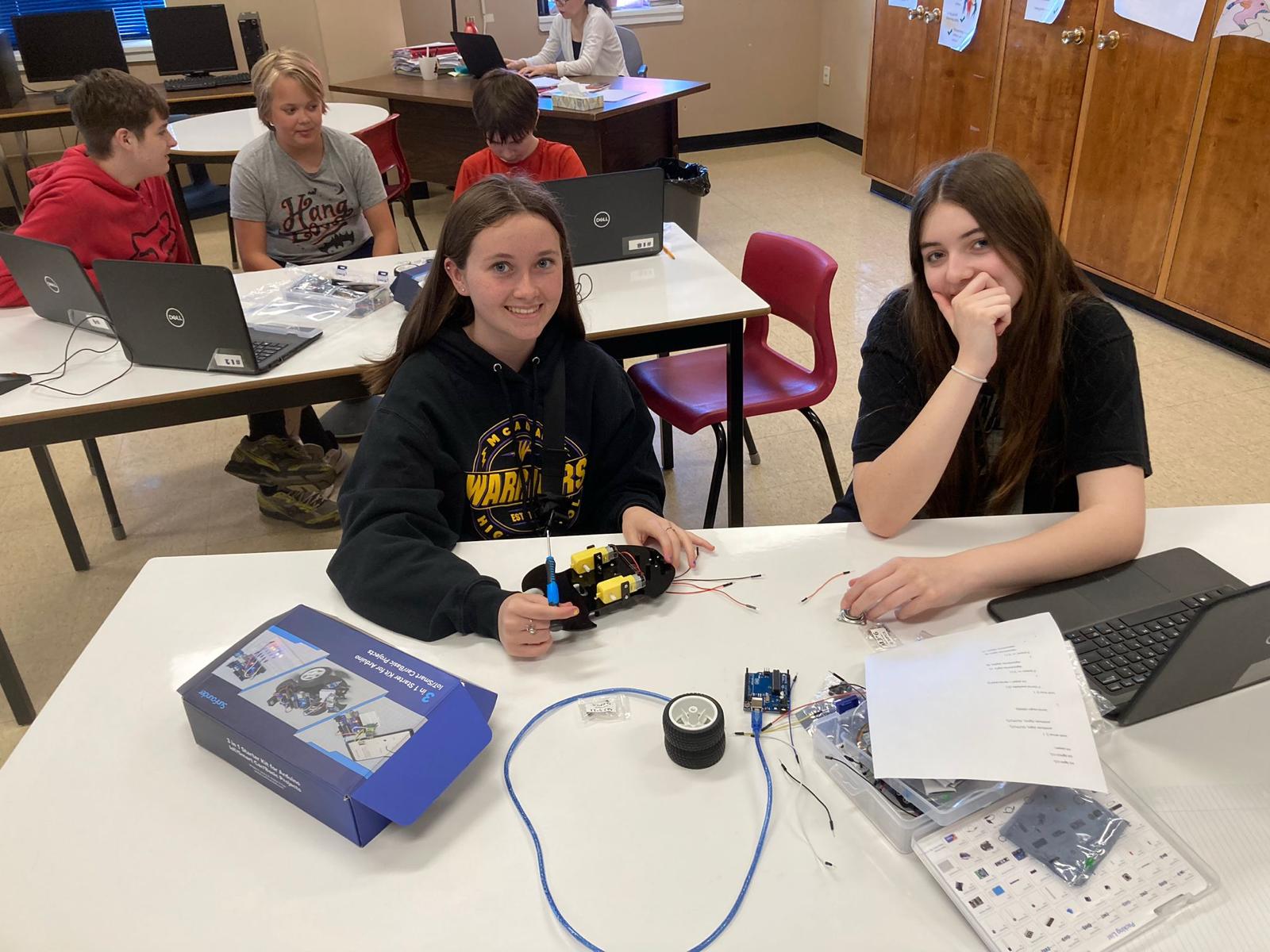
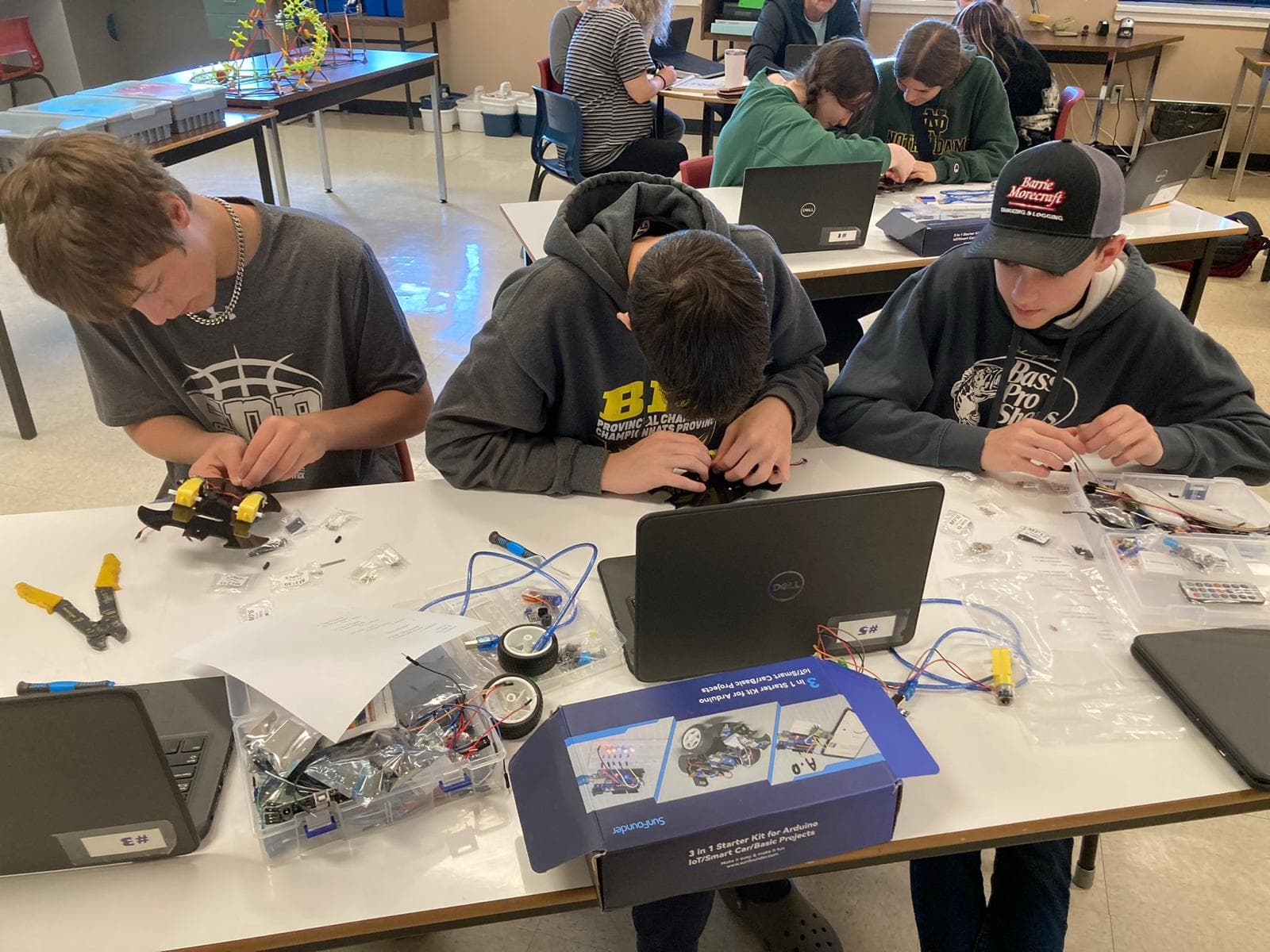
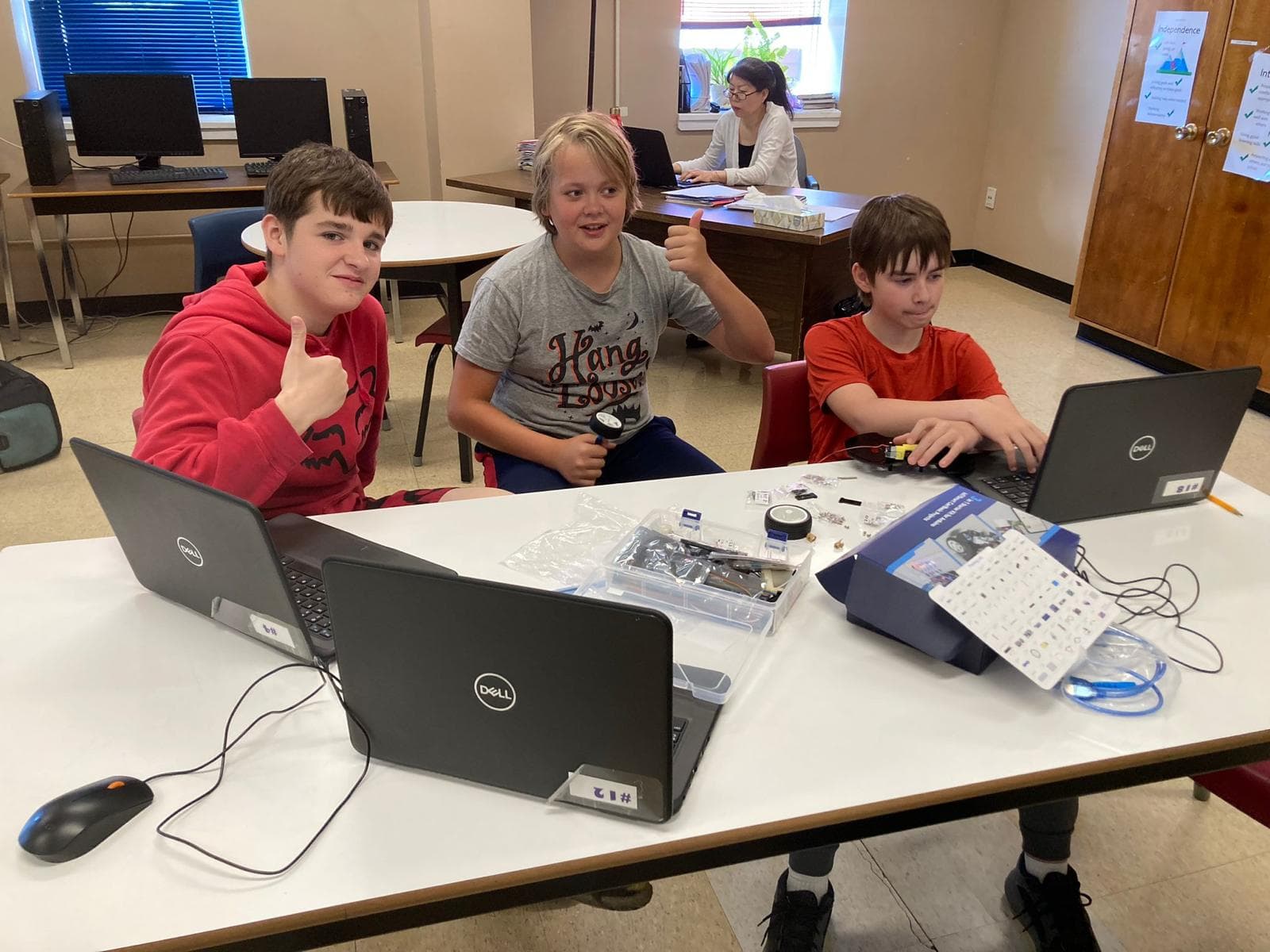
Many kids ask the same question in math class: when will I ever use this? Robotics answers it. When a robot has to turn exactly 90 degrees or stop 10 centimetres from a wall, numbers stop being abstract and start doing a job.
Math kids use while building
- Measurement: distances, angles and wheel sizes
- Ratios and speed: how fast a motor spins compared with how far the car travels
- Variables: storing a sensor reading and changing a value to tune the robot
- Estimating and checking: predicting what the robot will do, then testing it
Science kids see in action
- Electricity: how current flows through a circuit and why a loose wire stops everything
- Forces and motion: friction, traction, thrust and lift
- Energy: how batteries power motors, and why a drained battery slows a robot down
- The scientific method: form an idea, test it, look at the result and try again
Why hands-on learning sticks
Kids remember what they build. A student who has wired a motor driver understands circuits differently from one who has only read about them. Robotics also rewards patience: the first version rarely works, and fixing it teaches problem-solving that carries into every subject.
What parents usually notice
Parents often notice more confidence with numbers, more curiosity about how things work and a better attitude toward mistakes. A robot that fails is not a bad grade; it is a puzzle to solve.
Try it with a free class.
Book a free class